International Center for Relativistic Astrophysics

Founded in 1985, ICRA is an international research institution dedicated to astrophysics and promoting international collaboration.

Research

MoonRISE Concept Would Stretch Nine Radio Dipoles Across the Lunar Farside

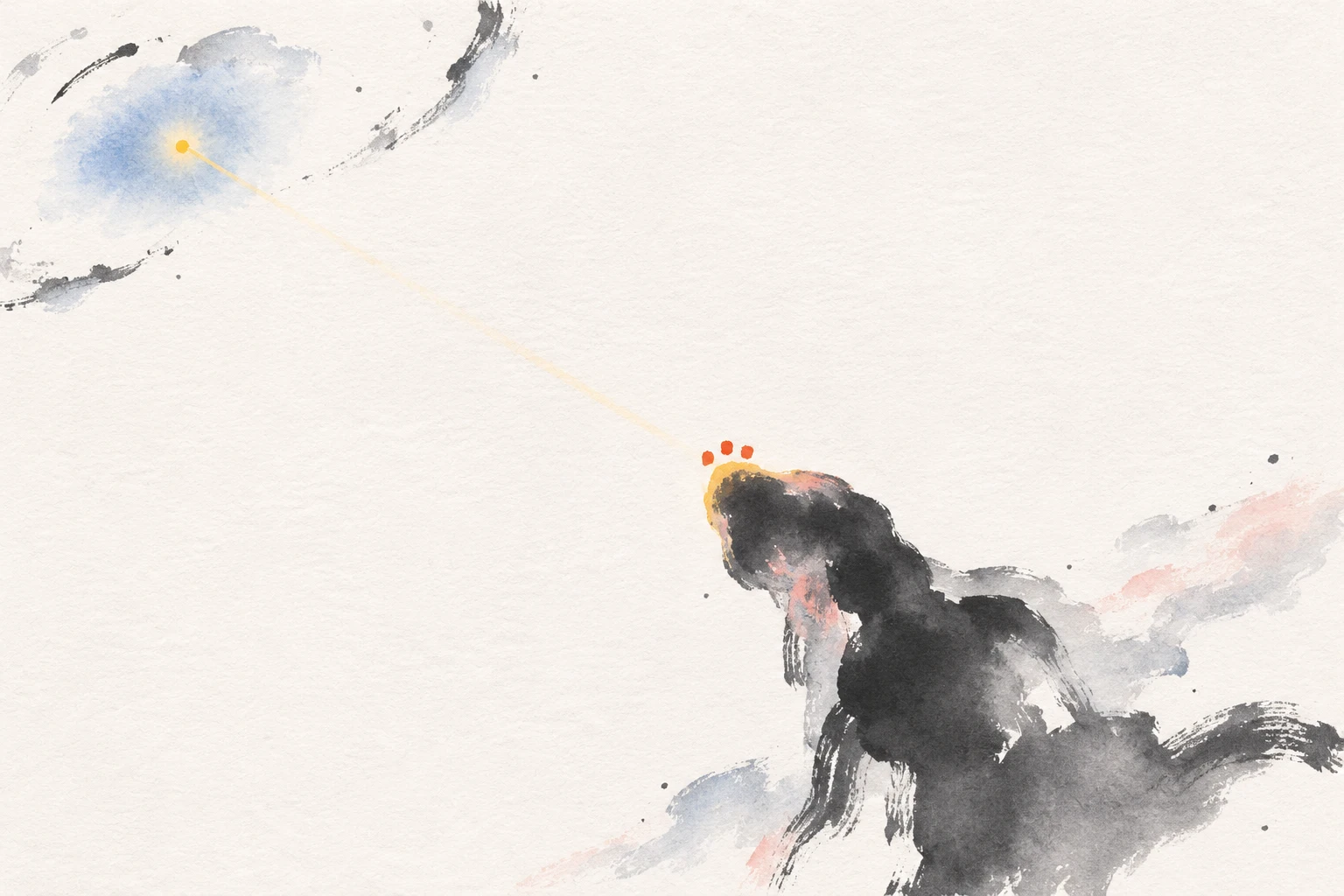
JWST Detects H₃⁺ in the Ring Nebula—and a 135,000-K Star Can Supply the Ionization

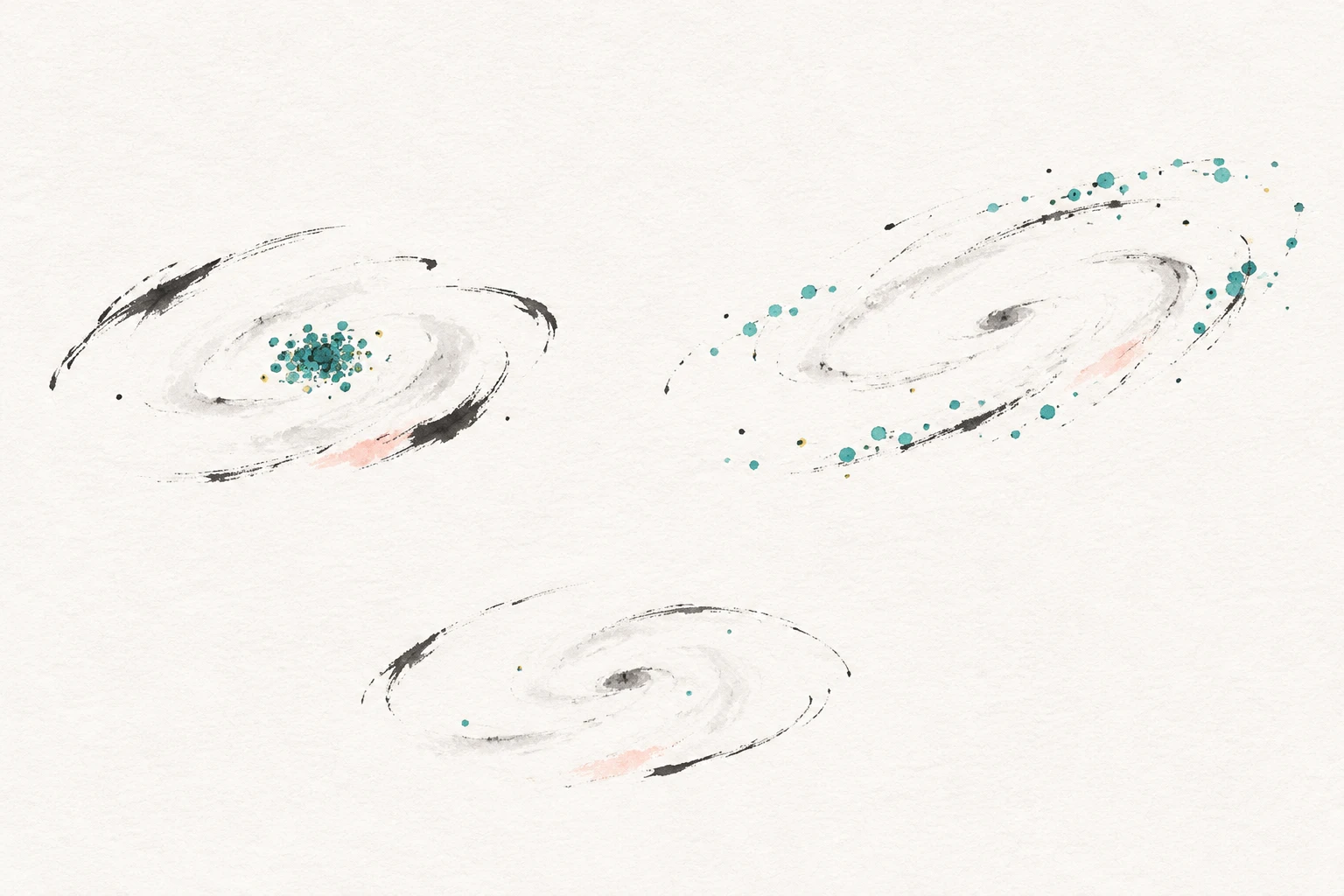
Fast Radio Burst Hosts Show Diverse Cold-Gas Environments, Not One Gas-Rich Template

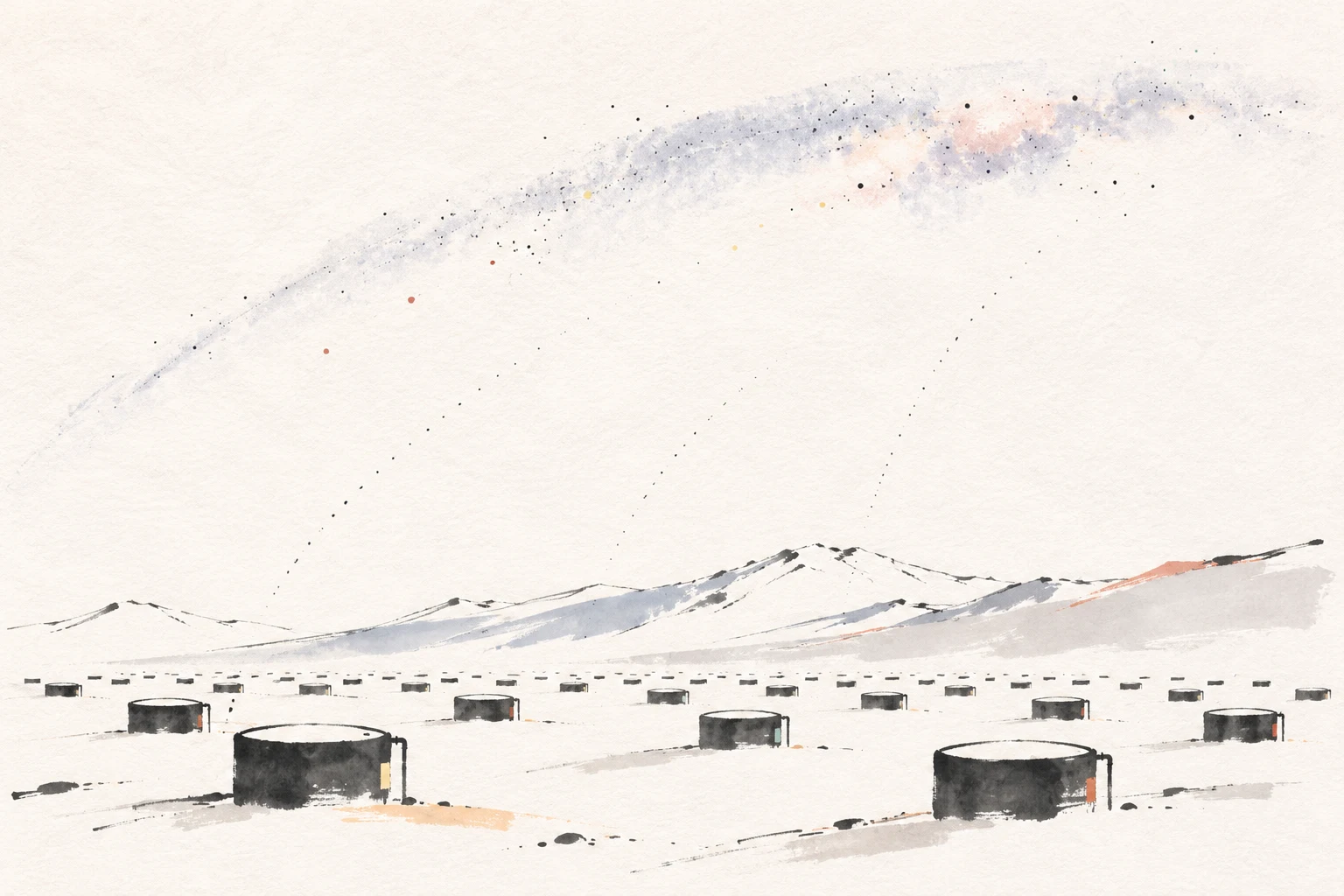
An Array of Water Tanks in Chile Could Give the Southern Sky Its First Wide-Field Gamma-Ray View

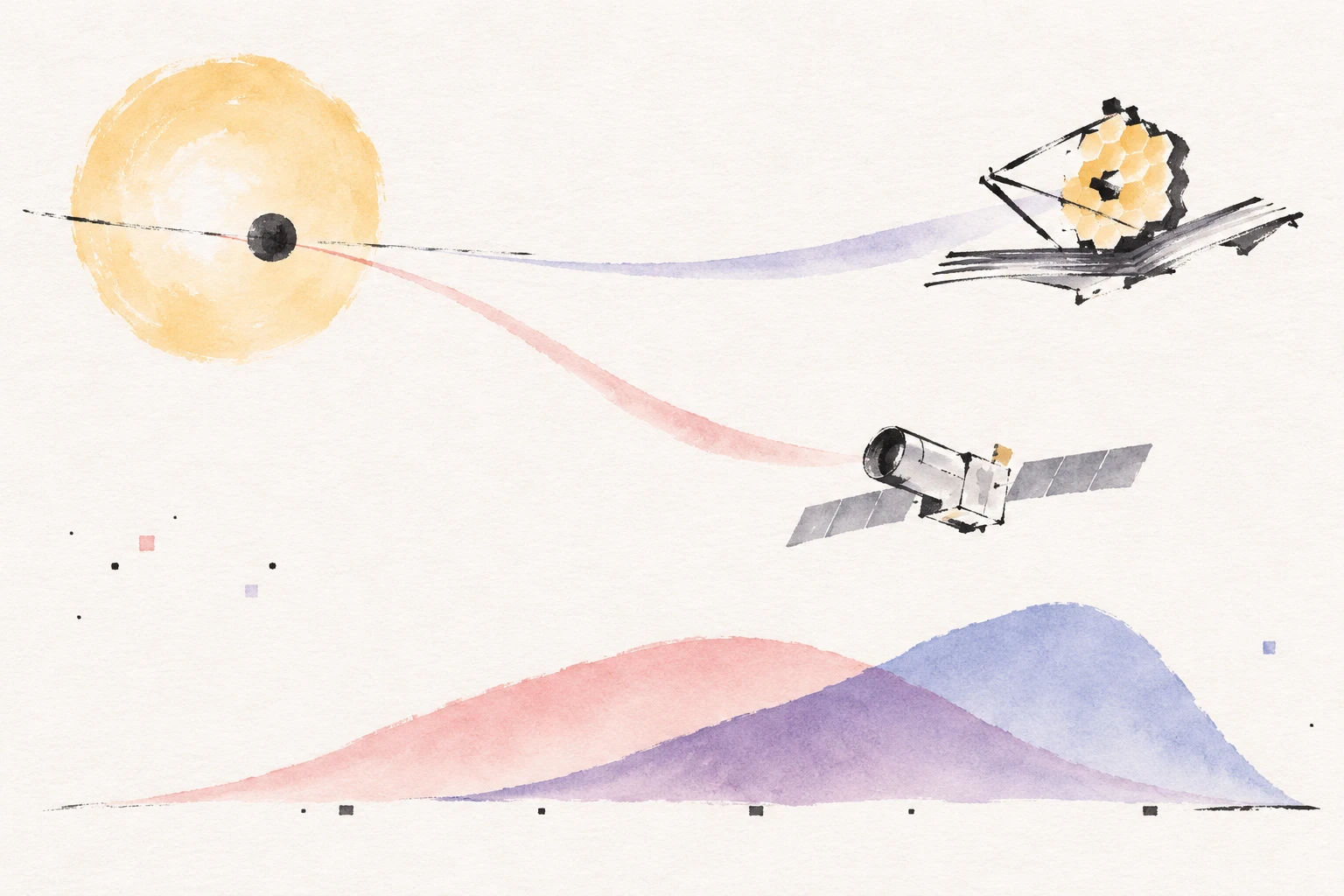
Can JWST and Ariel Read a Thousand Exoplanet Skies Better Together?
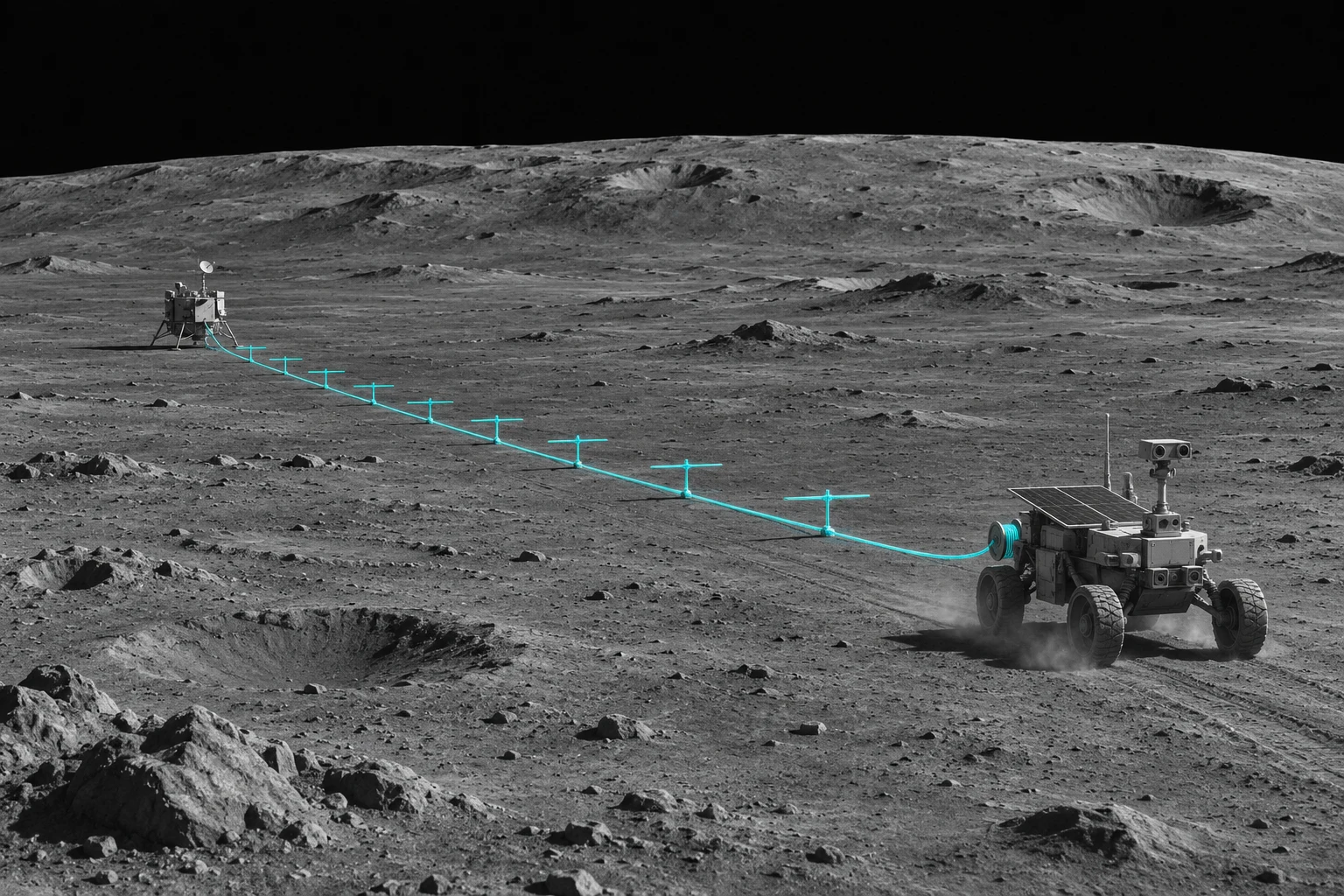
Text-only cover: on a low-contrast gray lunar-farside plain, a rover drives away from a lander, leaving a bright cyan semi-transparent wireframe line for the 1.5-kilometer tether and nine small dipole nodes; Earth is hidden behind the Moon's limb.
Ink illustration of light from the Ring Nebula’s central star striking the exposed edge of a dense molecular knot.
Ink illustration comparing how cold gas is distributed among three fast radio burst host galaxies.
Ink illustration of a proposed water-tank array beneath a broad arc of southern sky in Chile.
Ink illustration of two instruments following complementary wavelengths from the same transiting planet.